

Inventory Accuracy: Cycle Counting That Operators Will Actually Use
A practical cycle counting model for ecommerce warehouses that need accurate stock without shutting down daily fulfilment work.

Operating model
inventory accuracy cycle counting in real operations
The useful version of a guide is the one that maps the record, owner, state, and exception path.
Why inventory accuracy cycle counting breaks in growing operations
Inventory Accuracy: Cycle Counting That Operators Will Actually Use is not a software category problem. It is an ownership problem. Once products, orders, stock, suppliers, shipments, and finance live in separate tools, every team starts working from a slightly different version of the business.
The cost shows up as manual checks, delayed customer promises, missed replenishment, duplicate data entry, and reports that need explaining before anyone trusts them. A real inventory management system has to map to the operational event, not to a vendor's module boundary.
The operational model to use
Start with the real records: SKU, order, stock movement, bin, purchase order, shipment, return, payout, and adjustment. Each record needs one owner, clear states, and a history of who or what changed it.
Workform treats those records as shared infrastructure. The same order can be routed, picked, packed, shipped, repriced, reported, and reconciled without exporting it through another spreadsheet.
- Define the system of record before adding another integration.
- Model physical states such as inbound, reserved, picked, damaged, and returned instead of hiding them in notes.
- Give operators exception queues that show the next action, owner, evidence, and impact.
- Keep finance close to operations so margin, cash, and stock decisions use the same facts.
What best case looks like
Best case is not fewer screens. Best case is fewer disagreements about reality. When a customer order arrives, the platform already knows which stock can be promised, which warehouse should handle it, which carrier is viable, what margin remains, and what exception should stop the flow.
That is the standard Workform is built around: one operating platform that replaces brittle handoffs with records that match the real world.
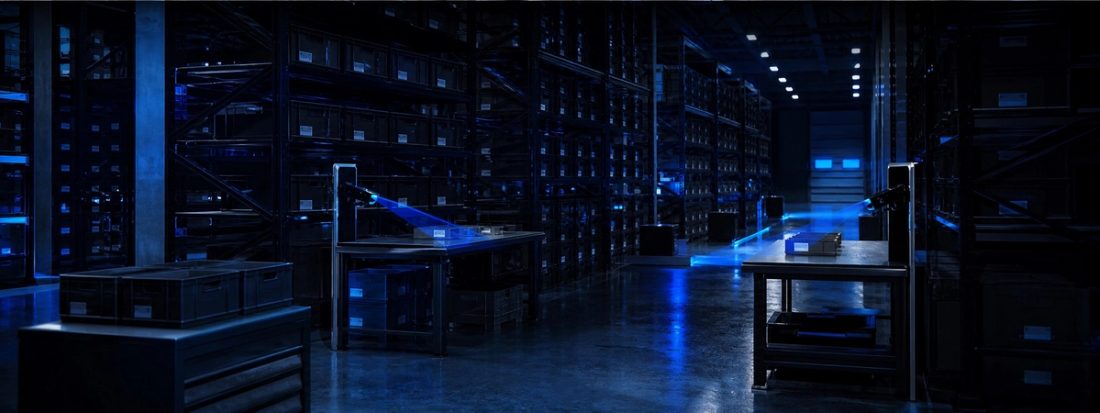
Workflow view
The workflow behind inventory accuracy cycle counting
A visual pass over the real-world movement behind the article.
This guide is about the work behind the keyword: the order, stock, warehouse, supplier, fulfilment, return, or finance record that must change state without losing context.
The image is deliberately operational: Workform should be evaluated by how well it keeps those records connected while people and systems execute the work around them.

Proof points
Decision checks before the workflow is automated
Automation only helps when the real-world states are already explicit.
1
record owner
4+
physical or financial states to model
1
exception queue before escalation
Sequence
How the work should move
The page-builder version of the article shows the sequence, not just paragraphs.
Own the record
Define where inventory accuracy cycle counting lives and which system is allowed to change it.
Model the state
Expose the real status: promised, reserved, picked, shipped, returned, invoiced, reconciled, or blocked.
Route the work
Send the next action to the right person, warehouse, 3PL, supplier, marketplace, or finance owner.
Reconcile the outcome
Close the loop against stock, customer promise, cost, margin, and exception history.
Operator test
If the screen cannot tell an operator who owns inventory accuracy cycle counting, what changed, and what should happen next, it is not an operating system yet.
The useful system is the one that keeps the real inventory accuracy cycle counting record accurate while orders, stock, people, partners, and money move around it.
Workform Operations Team
Commerce operations specialists, Workform
Checklist
Operational checklist
The checks that keep this workflow tied to reality instead of another software abstraction.
Record owner
Define which system owns the real operational record before adding integrations or automation.
Physical state
Represent real states such as inbound, reserved, picked, packed, shipped, returned, damaged, and reconciled.
Exception queue
Create a work queue with owner, priority, evidence, and next action whenever the happy path fails.
Finance impact
Connect each operational decision to margin, cash, fees, fulfilment cost, or inventory value.
FAQ
Frequently asked questions
Answers that clarify ownership, records, and implementation.
How does this inventory management guide apply to Workform?
Workform models the real operating records behind this workflow, so the process can be routed, measured, reconciled, and improved without creating another spreadsheet or disconnected dashboard.
What should we audit first?
Audit the record that changes hands most often. In commerce operations, drift usually starts when orders, stock, shipments, returns, purchasing, and cost data are owned by different tools.
Guides
Related inventory management guides
Keep following the inventory management branch with guides that share the same operational records and decisions.
Multi-Channel Inventory Management Without Oversells
How real-time allocation, channel buffers, warehouse rules, and reservation logic prevent oversells without hiding stock from profitable channels.
Open guideReorder Points for Ecommerce: From Static Rules to Supplier Reality
How to set reorder points using sales velocity, supplier lead time, incoming stock, seasonality, and cash constraints.
Open guideInventory Reservations and Allocation Rules for Real Warehouses
The difference between available, reserved, allocated, picked, damaged, inbound, and channel-visible stock, and why every state matters.
Open guideKits, Bundles, and Component Stock: The Inventory Model That Holds Up
How to model kits and bundles so component stock, channel availability, purchasing, and fulfilment stay accurate.
Open guideWorkform
Replace disconnected commerce operations
Workform puts products, orders, inventory, warehouse work, procurement, shipping, automation, and finance in one real operating system.